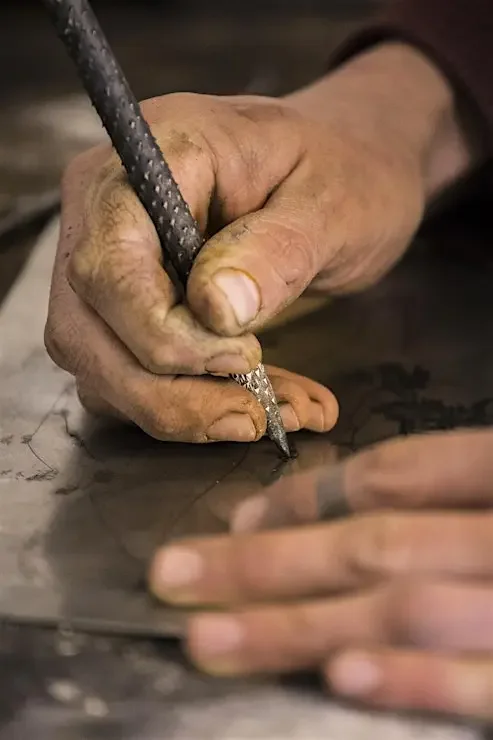
This hands-on course introduces participants to non-toxic, sustainable etching methods using copper sulphate and sea salt in both liquid and dry applications. Designed for artists and printmakers interested in safer studio practices, the course explores experimental approaches to etching while maintaining strong technical control and expressive potential.
Participants will learn how to prepare and maintain an etching bath, transfer and draw designs onto aluminium plates, and explore multiple etching strategies to achieve varied textures, tones, and depths. The course also includes multi-colour printing techniques, enabling participants to experiment with layered colour, selective inking, and expressive printing methods.
By the end of the course, participants will have etched and printed at least one metal plate and gained the knowledge required to continue working independently with sustainable etching processes.
1-Day Workshop (6 Hours)
> for an introduction to & experimentation with the process
DAY 1
- Overview of sustainable etching principles
- Preparing copper sulphate and sea salt etching baths (liquid and dry methods)
- Plate preparation and image-making techniques
- Etching processes and technical control
- Introduction to multi-colour inking and printing
- Printing session and group discussion
OUTCOME:
Participants leave with test prints, a basic etched plate, and a solid understanding of non-toxic etching workflows.
VISUAL QUALITIES OF SALT ETCHING ON ALUMINIUM:
- Soft atmospheric tone (like aquatint)
- Grainy blacks and greys
- Textural washes
- Beautiful accidental marks
- Strong line + tone combination
- Slightly more “alive” surface than zinc
MATERIALS PROVIDED:
1 20x20 cm aluminium plate
1 20x20 cm printing cardboard plate
4 sheets Fabriano Unica paper
Intaglio oil based inks
Tools
Blotting paper
Polycarbonate printing plate
Bitumen
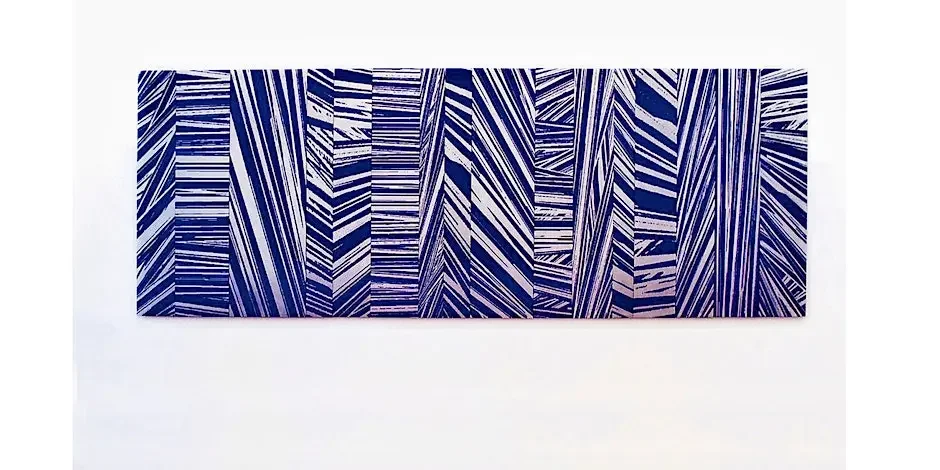
Friedhard Kiekeben, Shatter-Ice. Gallery Giani, Frankfurt,2004. aluminium etched using 'salt etching'